

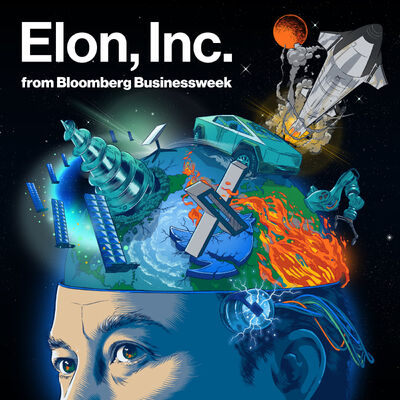
 Elon, Inc.
So What Did Musk Accomplish With ‘DOGE’?
· Summarized
Key takeaways
- Elon Musk's cuts under the 'DOGE' initiative led to significant controversy and ongoing debate about their effectiveness.
- The alleged savings claimed by Musk stand in stark contrast to the very real public health consequences resulting from cuts to vital programs.
- The transition toward a tech startup model in government operations raises questions about accountability and traditional governance practices.
- The legacy of Musk's influence in government will likely shape future political narratives, especially heading into the midterm elections.
Summary
Elon Musk's Impact on Government Efficiency
The episode discusses Elon Musk's tenure and controversial initiatives under the 'Department of Government Efficiency.' Musk's self-reported savings of $199 billion are juxtaposed against his promises and the consequential cuts to federal programs. Critics argue that these cuts have long-lasting negative effects on vital services and public health, particularly in low-income regions globally. The narrative suggests that Musk's chaotic management style and the hasty dismissal of experienced personnel have fundamentally altered operational efficiency within the government framework.
The Consequences of 'DOGE' on Global Issues
McKenna Kelly details the severe implications of Musk’s cuts on global health initiatives, such as USAID, with estimates indicating significant deaths in Africa and elsewhere attributed to these changes. The conversation highlights the stark contrast between claimed efficiency savings and the real costs borne by vulnerable populations, emphasizing how government future spending priorities have shifted under Musk's influence.
The Cultural Shift in Government Operations
The podcast explores the cultural changes instigated by Musk and Trump, suggesting a trend toward restructuring government to resemble more of a tech startup than a traditional bureaucracy. Kelly notes how many appointees feel obligated to align with Musk's vision even after his departure, indicating an ongoing ripple effect that incorporates a corporate mindset into government functions.
Looking Ahead: The Future of 'DOGE' and Its Legacy
As the podcast wraps, predictions about 'DOGE 2.0' and its longevity are discussed. While the initiative might officially end soon, there remains a strong likelihood of the tech-influenced governance model lingering on. The conversation also speculates on the political ramifications of Musk’s decisions, emphasizing how they will play a role in upcoming elections and public discourse surrounding government efficiency.
Sponsors
- Wired · A show about the people, power and influence of Silicon Valley.
Show notes
Elon Musk left Washington and his “Department of Government Efficiency” initiative with a highly controversial and, many would say, disappointing track record. For followers of President Donald Trump and the idea of slashing what he’s claimed is out-of-control government spending, Musk’s self-reported $199 billion in savings (which cannot be independently confirmed) is a far cry from the $2 trillion the Tesla CEO promised. As far as Musk’s detractors are concerned, his cuts—often executed in haphazard fashion as his twenty-something minions unceremoniously fired long-serving federal employees—have not only disrupted how the government operates on a fundamental level, but also triggered dramatic downstream consequences, many irreversible, both domestically and across the globe.
In this episode of Elon, Inc., Max Chafkin sits down with Wired magazine senior writer Makena Kelly to discuss the legacy Musk leaves behind in Washington. How do you make sense of the hundreds of thousands or people estimated to have already died in Africa and elsewhere because of Musk’s gleeful dismantling of USAID? Or how the supposed savings of “DOGE” compare to the $3.1 trillion recently tacked on to America’s $37 trillion national debt by Trump’s “Big Beautiful Bill”? And what are the consequences for the country now that Musk has upended the lives and morale of those federal workers who remain, many of whom still work under the shadow of more firings?
For Kelly, Musk’s lasting legacy will be one of cultural shakeup: Many of the people he and Trump have placed in positions of power say they think the federal government should be run more like a tech startup than a traditional bureaucracy. And even though he’s physically absent, they still don’t want to fall out of favor with the world’s richest man. Finally, Kelly outlines what she says we can expect from “DOGE 2.0.”
See omnystudio.com/listener for privacy information.
Follow this show on AudioBrevity and new episodes get summarized for you. Create a free account