

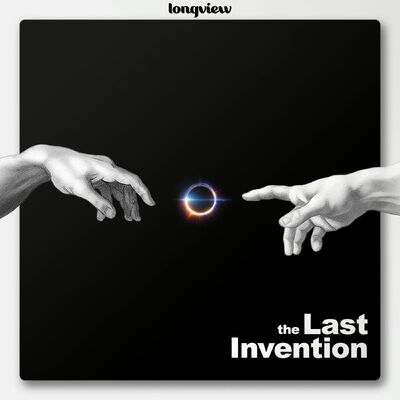
 The Last Invention
Ezra Klein on the Uncertain Politics of A.I.
· Summarized
Key takeaways
- Subscriber support is crucial for independent investigative journalism.
- AI is reshaping political landscapes and calls for self-reflection within political parties.
- The potential risks of AI encompass both existential threats and everyday societal changes.
- Effective regulation of AI requires a careful balance—ensuring safety without hindering progress.
- The political divide on AI reflects broader themes of regulation vs. innovation, impacting future governance.
- The challenge ahead may require us to rethink political philosophies in response to rapid technological advancements.
Summary
The Foundation of Longview and the Value of Subscription
Matt, co-founder of Longview, emphasizes the importance of subscriber contributions for their investigative journalism. While advertising helps, it isn't sufficient to sustain their in-depth reporting on various topics, including the economy, healthcare, political unrest, and AI. He urges listeners to appreciate the significance of their monthly support in funding the critical work that Longview undertakes.
AI's Revolutionary Potential and Political Landscape
The episode introduces Ezra Klein, noting his influential position as a commentator on American politics and AI. Klein discusses the transformative potential of AI as it reshapes political dynamics. He criticizes the Democratic Party's failures and argues that their inability to create an affordable and livable environment undermines their credibility as advocates for working families. Klein highlights the need for honest self-reflection on the left to compete effectively against the right.
Existential Risks of AI and Societal Changes
Klein discusses both the potential benefits and existential risks posed by artificial intelligence. He stresses the urgency in recognizing how AI could significantly change societies and the potential dangers of unregulated adoption. The conversation covers topics such as the demoralization of labor, privacy concerns with children interacting with AI, and larger questions surrounding autonomy in an increasingly AI-integrated world.
Policy Approaches to AI Regulation
Klein outlines the complexities of creating effective policies for AI regulation, balancing speed with safety. Discussing how policies could address immediate concerns like the implications of AI on children's development and job markets, he points to the necessity of establishing oversight without stifling innovative progress. Klein argues that robust guardrails are essential to prevent negative societal impact.
The Political Divide on AI Regulation
The episode explores the current political landscape regarding AI, showcasing how both parties wrestle with their approach to regulation and the industry. Klein notes that while Democrats lean towards regulation and oversight, Republicans tend to prioritize innovation and deregulation, which complicates bipartisan consensus. He highlights the ongoing tension between leveraging AI for economic growth and mitigating its risks.
A Changing Political Philosophy for a New Era
Klein closes by noting that the transformative nature of AI could lead society to seek new political philosophies or approaches. He argues that as technology evolves, so too must our understanding and governance around its integration into daily life, suggesting an evolving relationship between society, technology, and self-governance.
Sponsors
- Ground News · Go to groundnews.com/invent to get 40% off unlimited access to global coverage of the stories shaping our world.
Show notes
Ezra Klein – New York Times opinion columnist and an influential voice on the American left – joins us at a hinge moment in the A.I. revolution. As artificial intelligence accelerates, Klein examines what’s at stake politically, socially, and morally: the role that government should play in shaping this technology, the disruptions he believes matter most, and how to think clearly when the landscape is shifting so rapidly.
LINKS:
Ezra Klein’s book Abundance
The Ezra Klein Show
This Changes Everything
CREDITS:
This episode of The Last Invention was reported and produced by Andy Mills, Megan Phelps-Roper, Matthew Boll, Seth Temple Andrews, and Ethan Mannello.
Music for this episode was composed by Scott Devendorf, Ben Lanz, Cobey Bienert, and Matthew Boll
The Last Invention artwork by Jacob Boll
To become a Longview subscriber you can visit us here
Thank you to our sponsors Ground News
GROUND NEWS: Go to groundnews.com/invent to get 40% off unlimited access to global coverage of the stories shaping our world.
This is a paid sponsorship link
Learn more about your ad choices. Visit megaphone.fm/adchoices
Follow this show on AudioBrevity and new episodes get summarized for you. Create a free account