

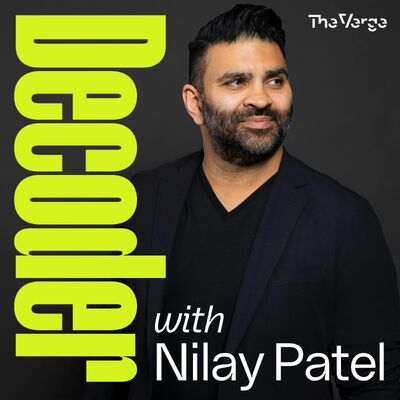
 Decoder with Nilay Patel
Does AI need an antitrust exemption so it doesn't kill everyone????
· Summarized
Key takeaways
- AI safety concerns are prompting calls for increased regulation, including potentially granting antitrust exemptions to facilitate coordinated safety efforts.
- Major AI companies are seeking to slow development, but this may be driven by safety concerns, economic concerns, or the desire to avoid competition, raising questions about collusion.
- Legal responsibility for AI harms should be clarified, with an emphasis on holding companies accountable through improved product liability laws and safety standards.
- International competition, especially with China, highlights the importance of maintaining a competitive market environment, avoiding monopolies, and fostering innovation within a framework of safety and societal values.
- The political landscape is complex, with shifting alliances and ideologies affecting AI regulation, and historical context suggests a need for proactive, rather than reactive, antitrust and safety policies.
Summary
The Current State of AI Safety and Regulation
This section introduces the main concern driving the episode: the ongoing debate around AI safety, regulatory measures, and the requests by AI company CEOs for governmental intervention, including antitrust exemptions. The discussion highlights recent industry disputes, industry leaders’ calls to slow development, and the broader societal implications of unchecked AI advancement, emphasizing the need for some kind of regulatory 'rules of the road'.
Antitrust and Industry Coordination in AI Development
Here, the conversation explores whether the calls by major AI firms to slow down represent a form of cartel or coordinated effort, possibly for regulation or economic reasons. Jonathan Cantor offers insights on whether such industry-wide slowdown efforts are truly collusive or driven by mutual safety concerns, explaining that companies don't need to coordinate to produce safe AI products—responsibility lies with individual companies, and they should be held liable if their products go wrong.
Regulation, Liability, and the Role of Congress
This section delves into the legal frameworks like product liability and tort law that could assign responsibility for AI harms. Cantor stresses the importance of clear accountability and argues for regulations that specify societal values, safety standards, and liability consequences. Discussions include critiques of the current federal system's ineffectiveness, the potential of state regulations, and the need for Congress to clarify legal responsibilities to improve safety and innovation.
The Global Context: Competition with China and Domestic Monopolies
The conversation shifts to international competition, especially the U.S. versus China’s technological and AI advancements. Cantor emphasizes that beating China is best achieved through innovation within a competitive, open market rather than through monopolization or national champions. The risk of large tech firms forming monopolies under the guise of national security is discussed, alongside concerns about U.S. economic and technological sovereignty.
The Political and Market Dynamics Shaping AI Regulation
This segment examines the shifting political landscape, including bipartisan concerns about tech monopoly power, the influence of political ideologies, and the influence of different administrations. Cantor describes a complex political environment where traditional conservative and progressive positions on antitrust are evolving, reflecting broader systemic issues like gerrymandering and Citizens United, which impact the effectiveness of regulation.
Reflections on Past Antitrust Efforts and Future Directions**
Bringing the discussion full circle, Cantor reflects on his era of aggressive antitrust enforcement, including court victories against Google, Apple, and Ticketmaster, emphasizing their importance despite current regulatory shortcomings. He advocates for proactive measures at 'inflection points' of technological change to foster competition and prevent market entrenchment. The importance of nurturing smaller, open-source models and preventing monopolistic dominance to sustain a vibrant, innovative tech ecosystem is underlined.
Conclusion and Key Recommendations**,
The episode concludes with Cantor’s call for clear regulatory standards—particularly accountability for dangerous AI products—and an emphasis on defining societal values within the legal framework. He advocates for a comprehensive approach to regulation that supports innovation but ensures safety, responsibility, and public trust in AI development.
Sponsors
- Brex · Brex A.F., agentic finance that eliminates expense report work before it starts.
- T-Mobile · Pass it on. With the new iPhone 18 Pro, big battery life leap, best camera ever, and on us with T-Mobile.
Show notes
The biggest story in tech right now is the spiraling debate about AI safety and regulation. The CEOs of all these companies have issued various calls to slow down development and develop regulation, including asking for antitrust exemptions so they can all coordinate on safety issues.
So to make sense of it all, I called Jonathan Kanter, the former antitrust chief for the U.S. Department of Justice in the Biden Administration. There's a lot going on, and we really got into the weeds of how all this regulation might work, and how it might interact with antitrust law, competition policy, and our relationship with China.
Read the full interview transcript on The Verge.
Links:
Is Big Tech’s AI slowdown a safety pact or a cartel? | The Verge
Inside the suddenly explosive world of AI safety | The Verge
Execs and politicians on slowing down AI development | The Verge
Microsoft AI CEO: AI threats are real, Anthropic makes it worse | The Verge
Lina Khan: We don’t need new laws to prosecute AI CEOs | Gizmodo
Subscribe to The Verge to access the ad-free version of Decoder!
Credits:
Decoder is a production of The Verge and part of the Vox Media Podcast Network.
Decoder’s producers are Greg Ott, Kate Cox, and Nick Statt. This episode was edited by Ursa Wright. Our editorial director is Kevin McShane.
The Decoder music is by Breakmaster Cylinder.
Learn more about your ad choices. Visit podcastchoices.com/adchoices
Follow this show on AudioBrevity and new episodes get summarized for you. Create a free account