

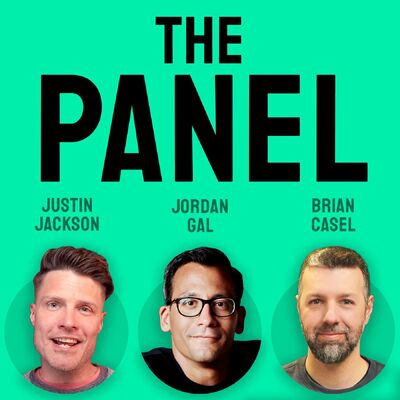
 The Panel
It's the End of the World of Coding, And I Feel Fine
· Summarized
Key takeaways
- DHH’s declaration that handcrafted code is over reflects a broader industry shift toward automation and leveraging AI.
- It’s crucial to appreciate and reflect on past skills, like manual coding, but adapt to new eras by embracing automation and new tools.
- Research shows that desire and relentless effort are often more decisive than focusing solely on being the best within a category.
- Rapid experimentation—launching MVPs within weeks and getting customer feedback early—is essential for building in uncertain markets.
- Building a product for a specific niche or ICP can be more effective than trying to dominate broad markets, especially when resources are limited.
- The independent sponsorship model for acquiring and improving businesses is an underexplored opportunity in SaaS, with ample capital and deal flow.
- In times of uncertainty, staying in motion by shipping and testing ideas regularly is more productive than paralysis.
- Focus on owning your work and developing genuine passion, as these qualities foster deeper ownership and better results in product-building.
Summary
Introduction and Podcast Format Discussion
Justin Jackson, Brian Castle, and Jordan Gough introduce the podcast as a live recording about building better businesses and lives. They emphasize the value of engaging with their community via live chat during recordings, noting how social media platforms like Blue Sky and X (formerly Twitter) are important for real-time updates and interaction. Jordan mentions how he has incorporated video into his podcast consumption habits, citing his preference for watching over listening, especially for sports like Edmonton Oilers' coaching videos or high-profile figures like Mike Babcock.
Reaction to DHH’s Flame of Truth and Code Crafting Era’s End
The hosts discuss David Heinemeier Hansson’s (DHH) recent keynote at Rails World, where he declared the era of handcrafted code over, expressing appreciation for that phase while acknowledging its conclusion. They explore how DHH’s outspoken stance—calling Rails programmers 'losers' in a provocative tweet—resonates deeply within the industry, especially given his creator status of Rails and open-source influence. The conversation delves into what this shift means: a move away from manual coding towards leveraging automation, AI, and more scalable methods, and how DHH’s authority lends weight to this message.
The Changing Nature of Product Building and Competition
They examine the implications of AI on software development, highlighting how skills like software engineering remain valuable for designing quality products, even as AI automates many coding tasks. The discussion stresses the importance of desire, ownership, and the willingness to do manual, grindy work—elements that differentiate successful builders from others. The group debates the idea of being the best in a category versus focusing intensely on a single, well-defined niche or ICP (ideal customer profile), emphasizing that desire and relentless effort often outperform complexity or breadth.
Product Strategy in 2026 and Market Dynamics
Justin and Brian reflect on how to choose what to build in uncertain times, emphasizing rapid experimentation—deploying MVPs within weeks, gathering feedback from real customers, and iterating based on early signals. They discuss whether to commit long-term or test fast and pivot, considering market risks, the influence of AI, and the importance of market size, even in crowded categories like email newsletters or AI automation tools. They also talk about how focusing on specific needs or niche segments can be more fruitful than attempting to dominate broad markets.
Opportunities in Business Acquisition and Investment Models
Brian shares insights from attending a conference on independent sponsorship, where individuals find capital to acquire established businesses for restructuring, growth, and better profitability outside traditional VC pathways. The conversation explores how this model, common in industries like manufacturing or legal services, could be applied to SaaS or software companies. They highlight the enormous pool of available capital, the mechanics of deal-making, and strategies like buying underperforming companies, improving them, and flipping for profit—offering a different approach to building and scaling in an uncertain environment.
Staying in Motion and Embracing Uncertainty
The hosts conclude by emphasizing the importance of continuous action despite uncertainty, advocating for building and shipping regularly instead of getting paralyzed by the unknown. They share personal experiences where persistent effort, even without perfect plans, leads to better outcomes than hesitation. Justin underlines that progress often comes from simply staying in motion, and they encourage entrepreneurs to focus on exerting relentless effort, testing ideas quickly, and learning from small experiments. The episode wraps up with a reminder to keep shipping even when the future feels unpredictable.
Sponsors
- TinySeed · TinySeed is a remote startup accelerator that supports SaaS founders with funding, mentorship, and community, helping them grow sustainable businesses.
Show notes
Is DHH right in his prediction that handcrafted coding is done, is trying to "be the best" the best strategy, and can you skip the hard work and just do the easy parts of product launching and still find success?
Chapters:
- (00:11) - Welcome to the Panel Podcast
- (03:04) - DHH's Flamethrower Keynote
- (09:07) - The End of Handcrafting Code
- (12:35) - Who Wants It the Most
- (16:08) - Marketing with AI and Manual Grind
- (24:56) - Being the Best in Your Category
- (35:49) - Product Decision Making in 2026
- (47:46) - Sam Altman's Advice on Focus
- (54:01) - Risk and Opportunity in AI
- (01:00:33) - Building vs Acquiring Businesses
- (01:19:30) - The Independent Sponsor Model
- (01:33:16) - Staying in Motion and Shipping
Links:
Follow this show on AudioBrevity and new episodes get summarized for you. Create a free account