

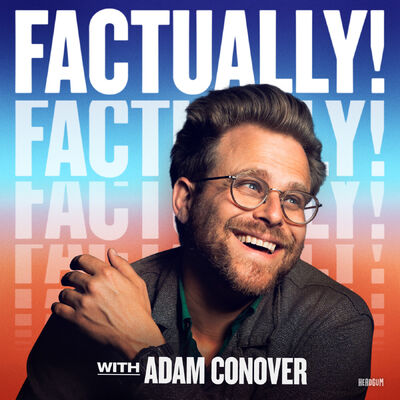
 Factually! with Adam Conover
Spotify Is Even Worse Than You Think with Liz Pelly
· Summarized
Key takeaways
- Spotify's business model prioritizes user engagement and cheap access to music over fair artist compensation.
- The rise of ghost artists on platforms like Spotify illustrates a troubling trend in music commodification that undermines real musicians.
- Algorithms dictate the types of music listeners encounter, often limiting diversity in music discovery.
- The cultural implications of a monopoly in music streaming risk reducing music to a mere product rather than an artistic expression.
- Exploring alternatives to mainstream streaming, such as local radio stations and vinyl collections, can enrich the music experience.
Summary
The State of Music in the Streaming Era
In this episode, Adam Conover talks to Liz Pelly, author of 'Mood Machine: The Rise of Spotify and the Cost of the Perfect Playlist,' to discuss the profound changes in music consumption brought about by streaming services, especially Spotify. Liz outlines how the ease of access to music through streaming has coincided with a collapse in revenue for artists, detailing the significant disparity in earnings compared to the height of the CD era. Despite more listeners than ever subscribing to services, artists receive a fraction of a penny for streams, prompting a discussion on how the platform prioritizes user engagement over the value of music itself.
The Concept of Ghost Artists
A major focus of their conversation centers around the troubling practice of 'ghost artists' on Spotify. Liz explains how Spotify fills its playlists with stock music from anonymous artists, thus misleading listeners into thinking they are enjoying diverse music selections. This practice not only obscures the reality of music consumption but directly undercuts the financial opportunities for genuine musicians. The episode highlights a growing concern within the music community about the authenticity and integrity of the listening experience.
Impact of Algorithms on Music Discovery
The discussion delves into how algorithms shape music discovery and listener behavior. Liz argues that Spotify’s algorithm promotes a homogenized music experience, often prioritizing music that fits a certain mold and devaluing the vast diversity of musical expression. This phenomenon renders artists as mere content creators rather than musicians, forcing them into a cycle of producing content that satisfies the algorithm rather than their artistic vision.
Cultural Implications and Future of Music Consumption
As the episode progresses, Adam and Liz explore the cultural implications of a music industry dominated by a few key players like Spotify. There are reflections on how this trend strips musicians of their identities and reduces music to just another product in a consumer marketplace. Liz urges for a re-evaluation of how society values music and explores alternative models of support for artists such as community radio stations, local engagements, and independent streaming platforms.
Sponsors
- Alma · Alma makes it simple to find a licensed therapist who gets you, offering support tailored to your specific needs. Visit HelloALMA.com slash factually to get started and schedule a free consultation today.
- Cash App · Cash App is the best way to zap money straight to your friends. If you direct deposit at least 300 bucks in paychecks each month, you can unlock up to $200 in free overdraft coverage. Download Cash App today using our exclusive referral code factually to earn some additional cash.
Show notes
It’s no secret that Spotify pays artists extremely poorly, but it turns out they don’t treat their customers much better. Author and journalist Liz Pelly’s new book, Mood Machine: The Rise of Spotify and the Costs of the Perfect Playlist, investigates how Spotify has accelerated the collapse of the music industry, along with their shady practices such as filling playlists with stock music—fooling customers into listening to artists who don’t actually exist. This week, Adam sits with Liz to talk about how a service that brands itself around “discovery” is actually flattening the music-listening experience of customers worldwide. Find Liz's book at factuallypod.com/books
Download Cash App Today: https://capl.onelink.me/vFut/2vjj5nrh #CashAppPod. As a Cash App partner, I may earn a commission when you sign up for a Cash App account. Cash App is a financial services platform, not a bank. Banking services provided by Cash App’s bank partner(s). Prepaid debit cards issued by Sutton Bank, Member FDIC. Visit cash.app/legal/podcast for full disclosures.
--
SUPPORT THE SHOW ON PATREON: https://www.patreon.com/adamconover
SEE ADAM ON TOUR: https://www.adamconover.net/tourdates/
SUBSCRIBE to and RATE Factually! on:
» Apple Podcasts: https://podcasts.apple.com/us/podcast/factually-with-adam-conover/id1463460577
» Spotify: https://open.spotify.com/show/0fK8WJw4ffMc2NWydBlDyJ
About Headgum: Headgum is an LA & NY-based podcast network creating premium podcasts with the funniest, most engaging voices in comedy to achieve one goal: Making our audience and ourselves laugh. Listen to our shows at https://www.headgum.com.
» SUBSCRIBE to Headgum: https://www.youtube.com/c/HeadGum?sub_confirmation=1
» FOLLOW us on Twitter: http://twitter.com/headgum
» FOLLOW us on Instagram: https://instagram.com/headgum/
» FOLLOW us on TikTok: https://www.tiktok.com/@headgum
» Advertise on Factually! via Gumball.fm
See Privacy Policy at https://art19.com/privacy and California Privacy Notice at https://art19.com/privacy#do-not-sell-my-info.
Follow this show on AudioBrevity and new episodes get summarized for you. Create a free account